Kushiro Wetland Restoration Project
Kushiro Wetland Restoration Project
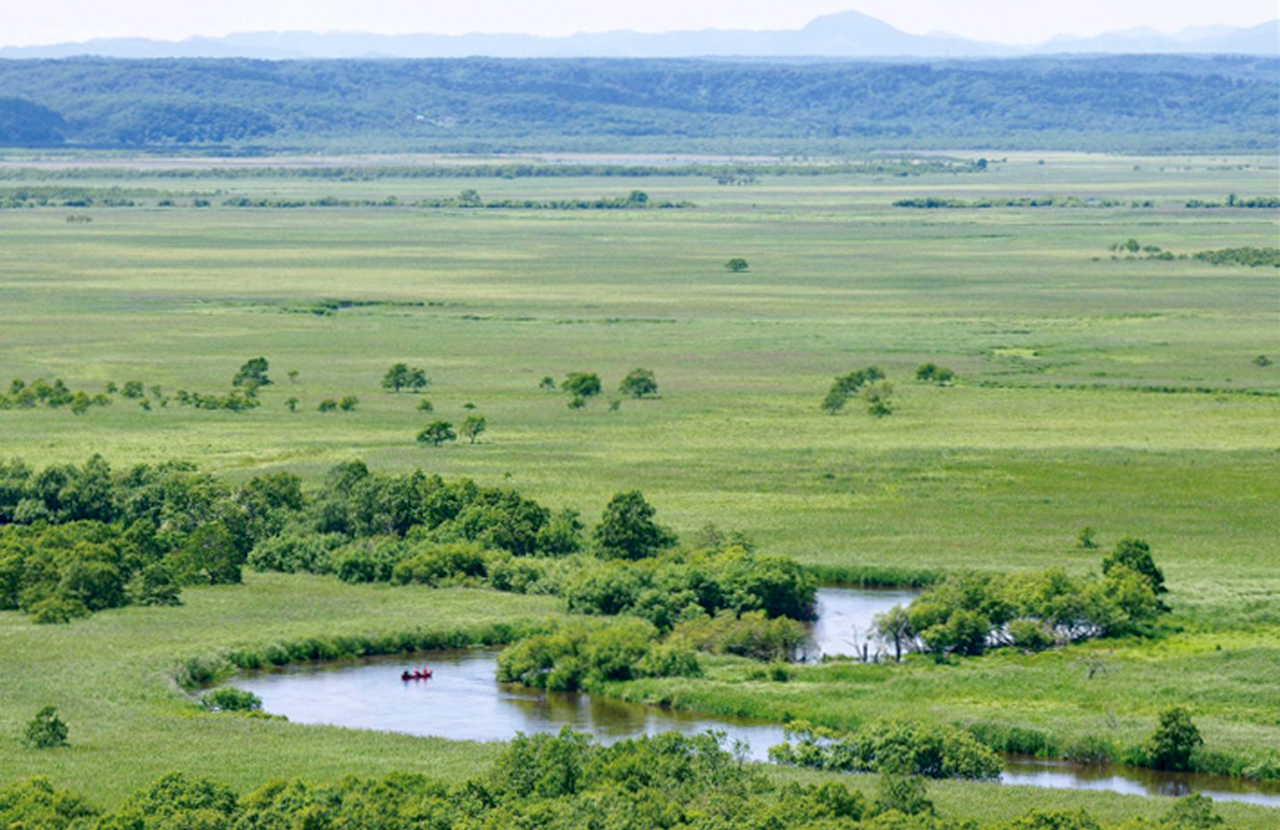
Kushiro WetlandThe Kushiro Wetland is the largest wetland in Japan and is located in eastern Hokkaido, northern Japan. It spreads across the lower reaches of the Kushiro River, covering an area of about 250 km2.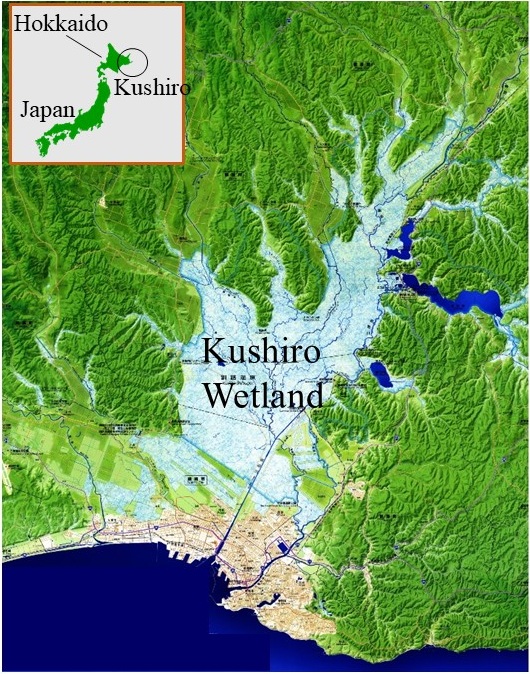
The Kushiro River, which flows into the wetland, originates from Lake Kussharo, passes through the wetland, and eventually flows into the Pacific Ocean. 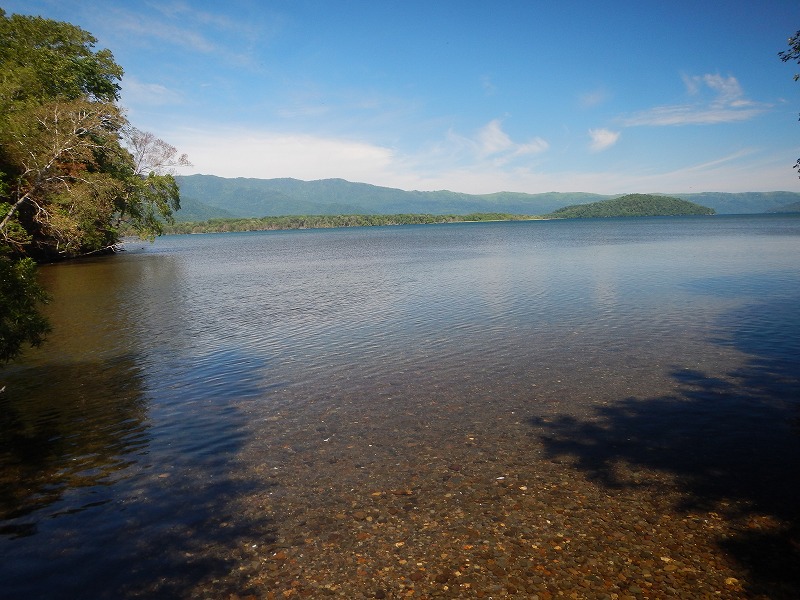 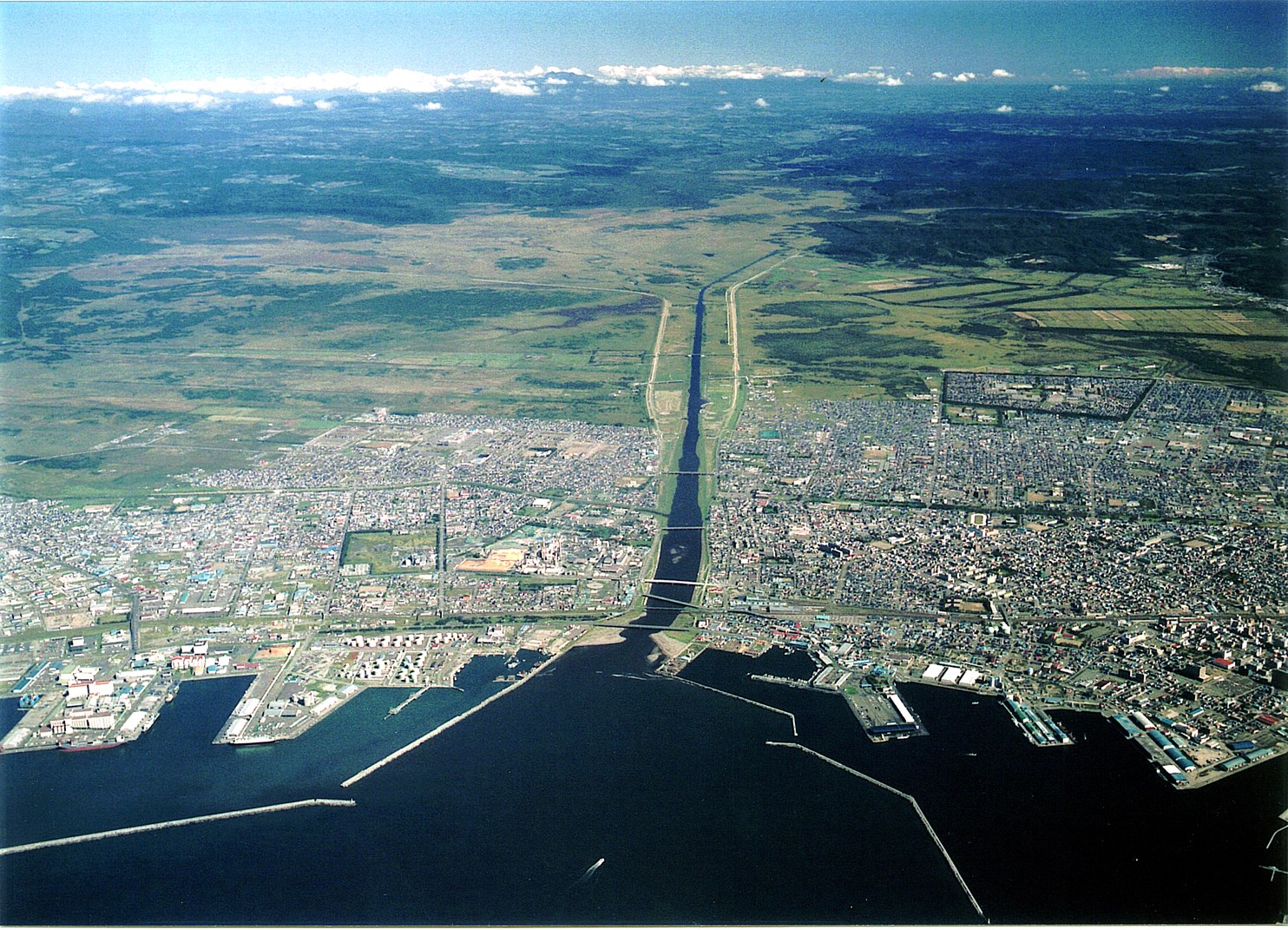
The climate in this area is cooler than in other regions of Japan because it is located in the northern part of the country. The average annual temperature is around 6°C, and the annual precipitation is approximately 1,000 mm. The cool weather, particularly in summer, attracts many tourists from both within Japan and abroad. 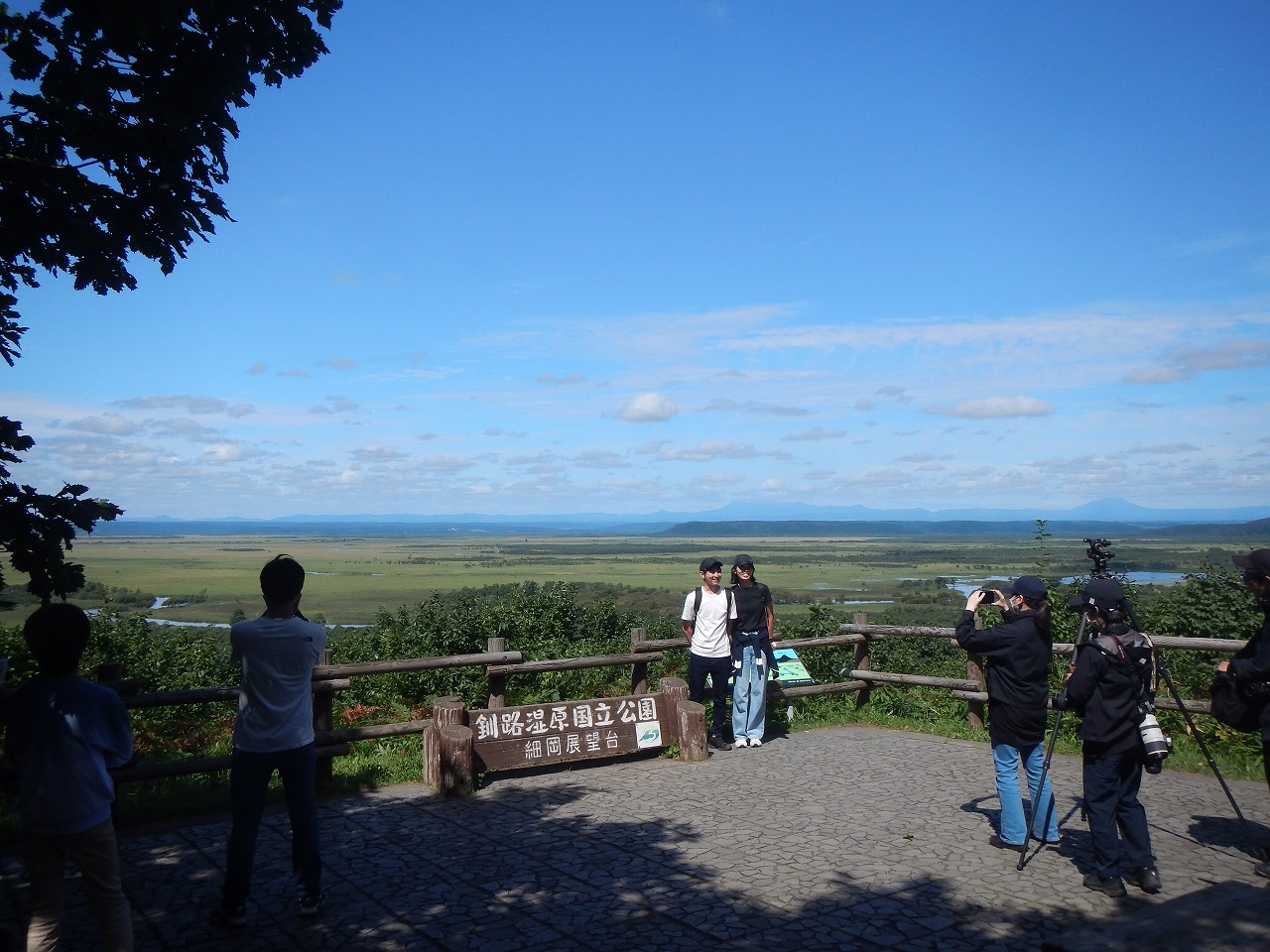
The landscape of the wetland mainly consists of reed and sedge meadows and meandering rivers. 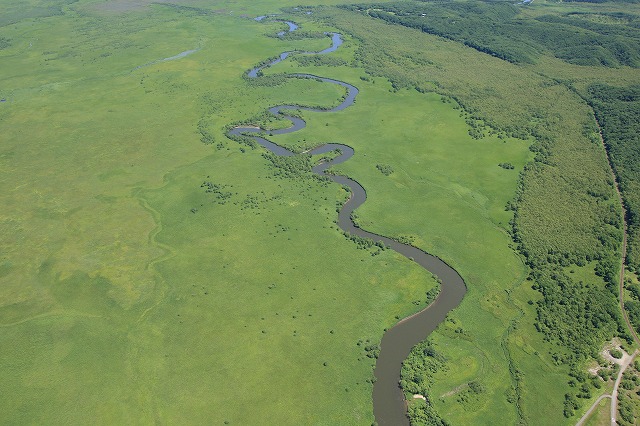 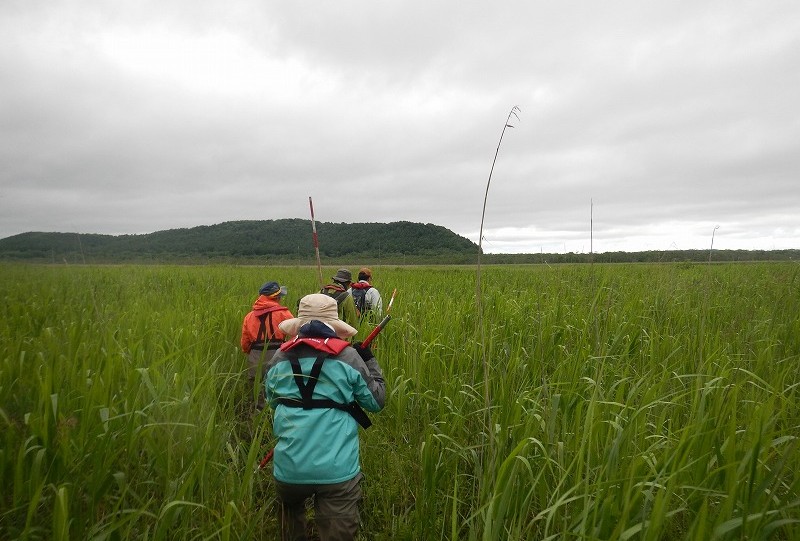
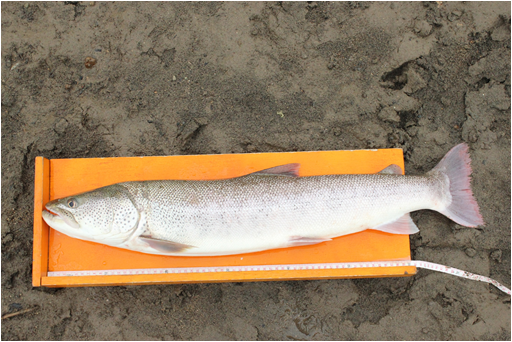
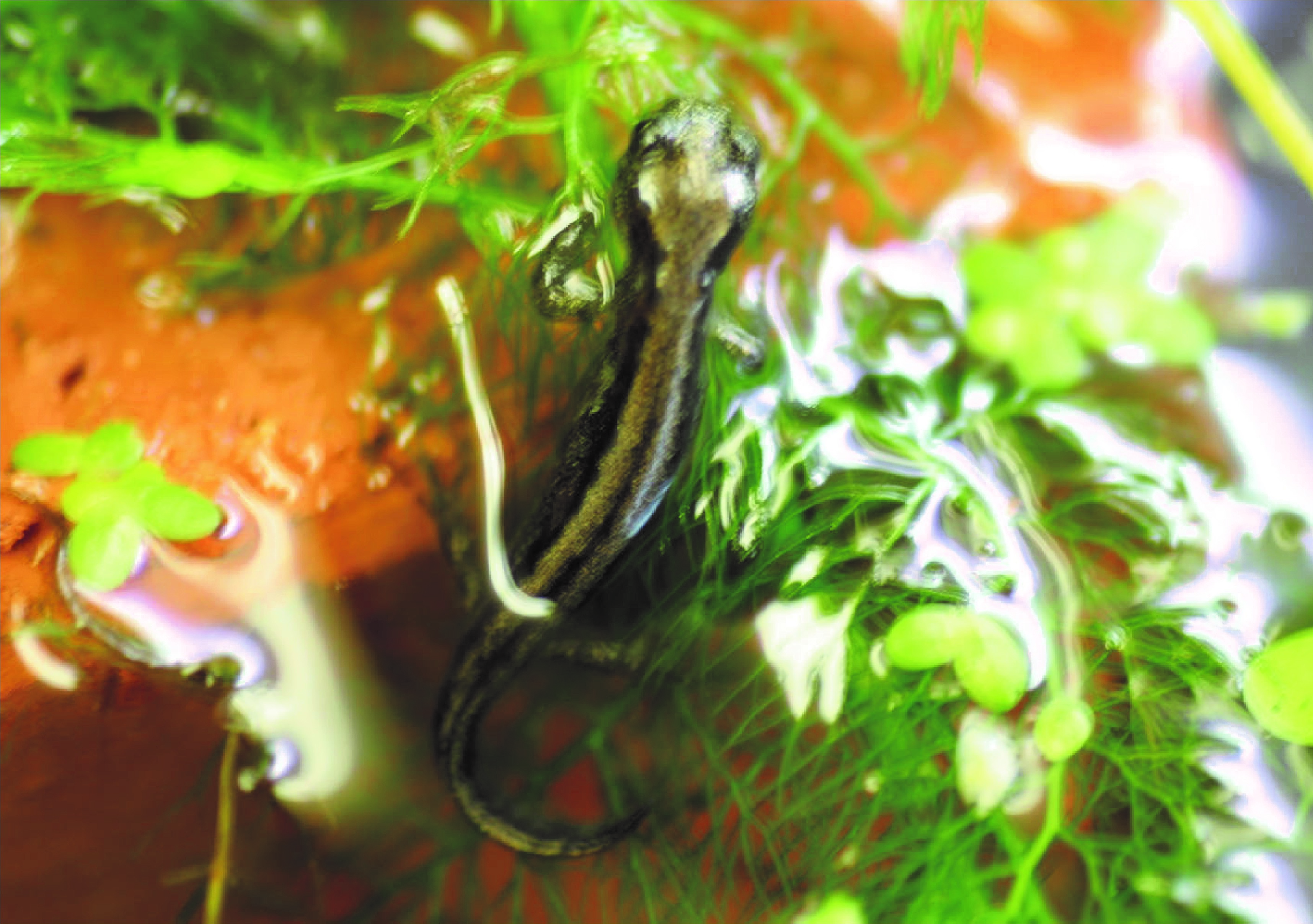
It provides habitats for abundant wildlife, including Japanese cranes (a Special Natural Monument), Japanese Huchen (the largest freshwater fish in Japan), and other rare species. 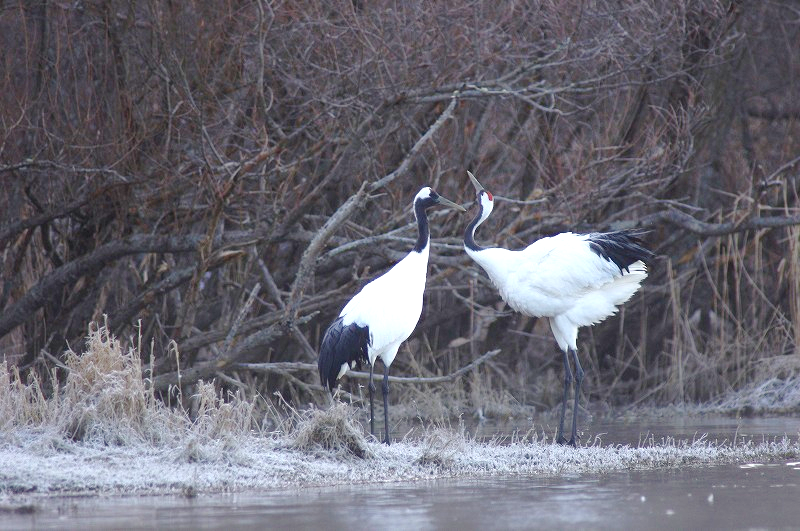
Canoeing is a popular activity in the Kushiro Marsh, attracting not only domestic tourists but also international visitors. 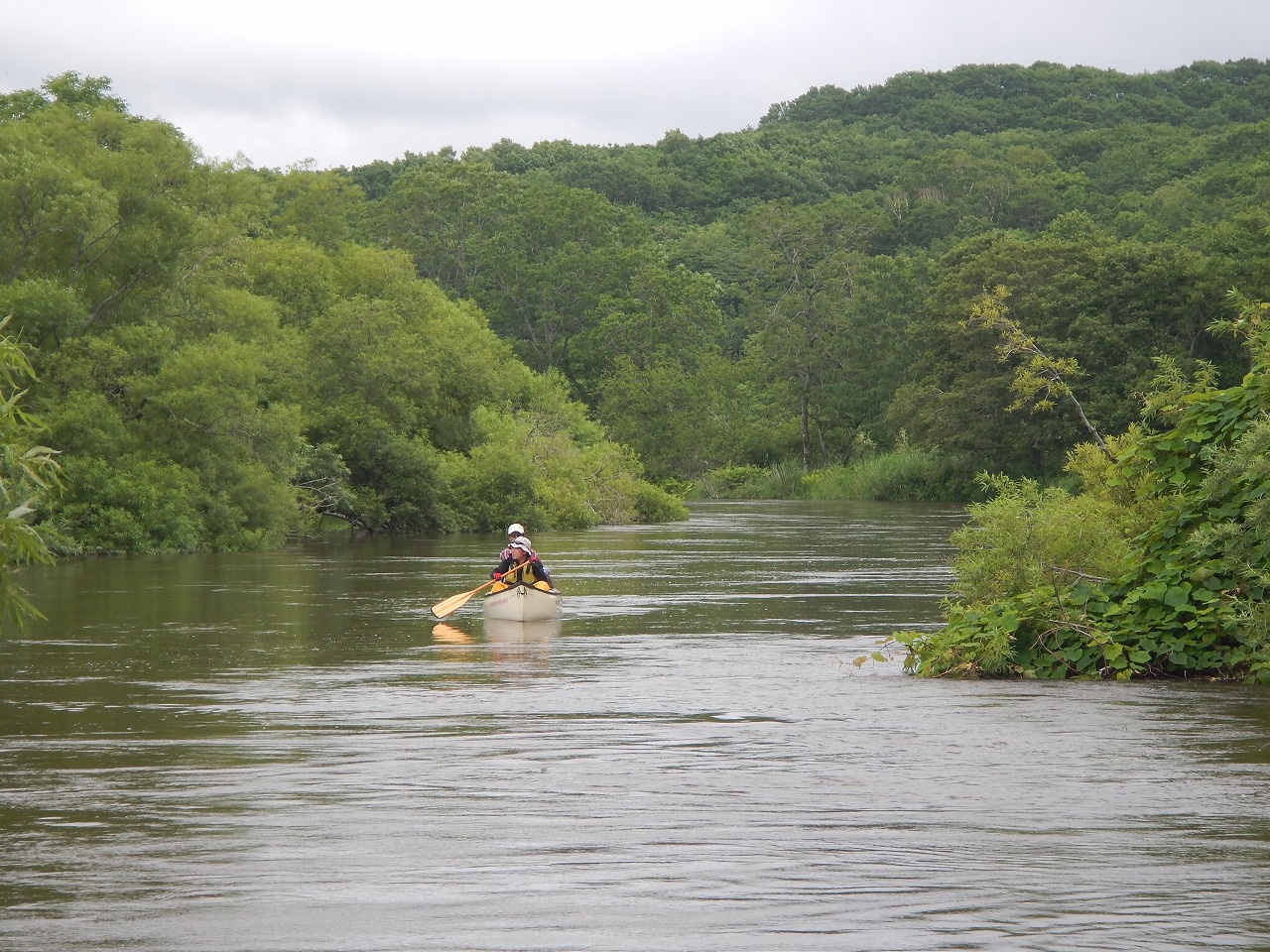
The Onnenai Visitor Center features walking trails through the wetlands, offering visitors easy trekking opportunities. 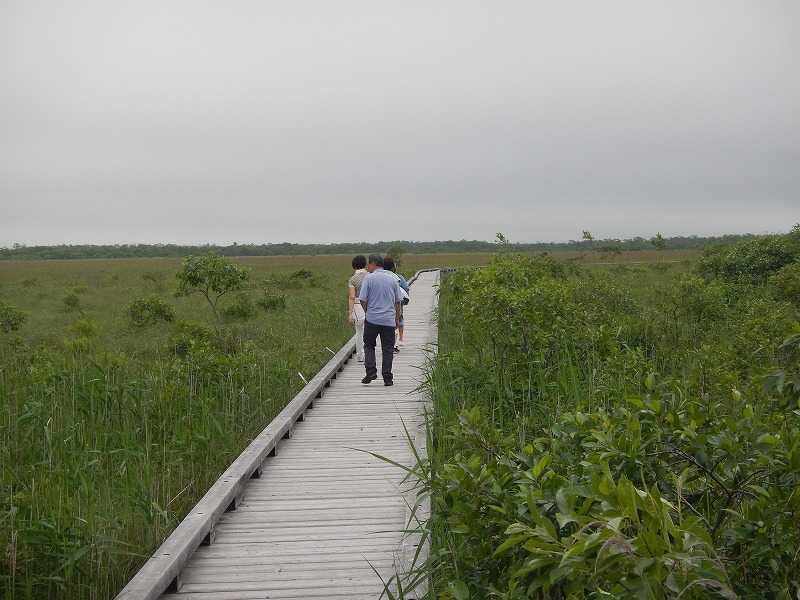
Kushiro Wetland Restoration ProjectKushiro WetlandWetland Restoration Restoration Site 1 : Kayanuma, Old Channel Restoration 1 Restoration Site 2 : Numaoro, Old Channel Restoration 2 Restoration Site 3 : Kuchoro, Sediment Retention Basin Restoration Site 4 : Hororo, Reconversion of Farmland into Wetlands Kushiro Wetland Nature Restoration Council Project Goals Sediment reduction flowing into the wetland Implovement of habitat for fish Restoring Wetland Vegetation History 1 : Wetland Development History 2 : Shift Toward Wetland Conservation and Restoration Peatland |